The Conversion Pipeline: Casino Deposits Transforming into Sportsbook Boosts
Avery Weber · Oct 27, 2026
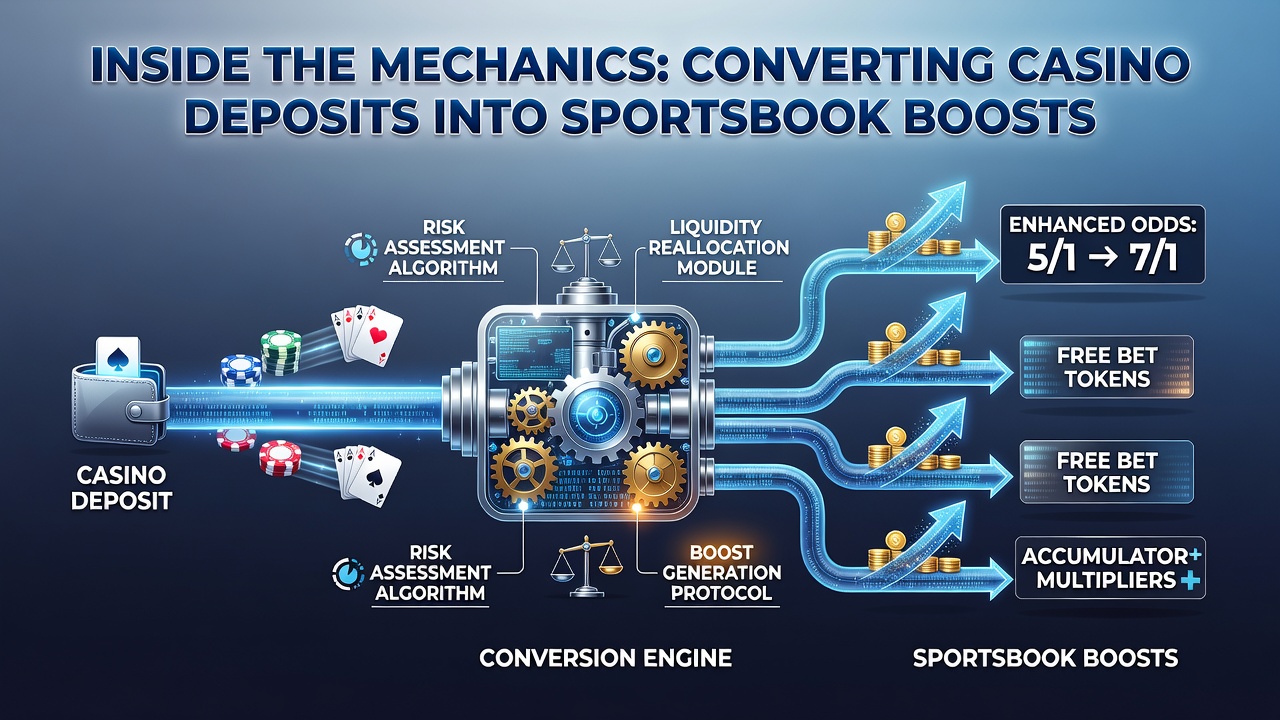
The Conversion Pipeline: Casino Deposits Transforming into Sportsbook Boosts
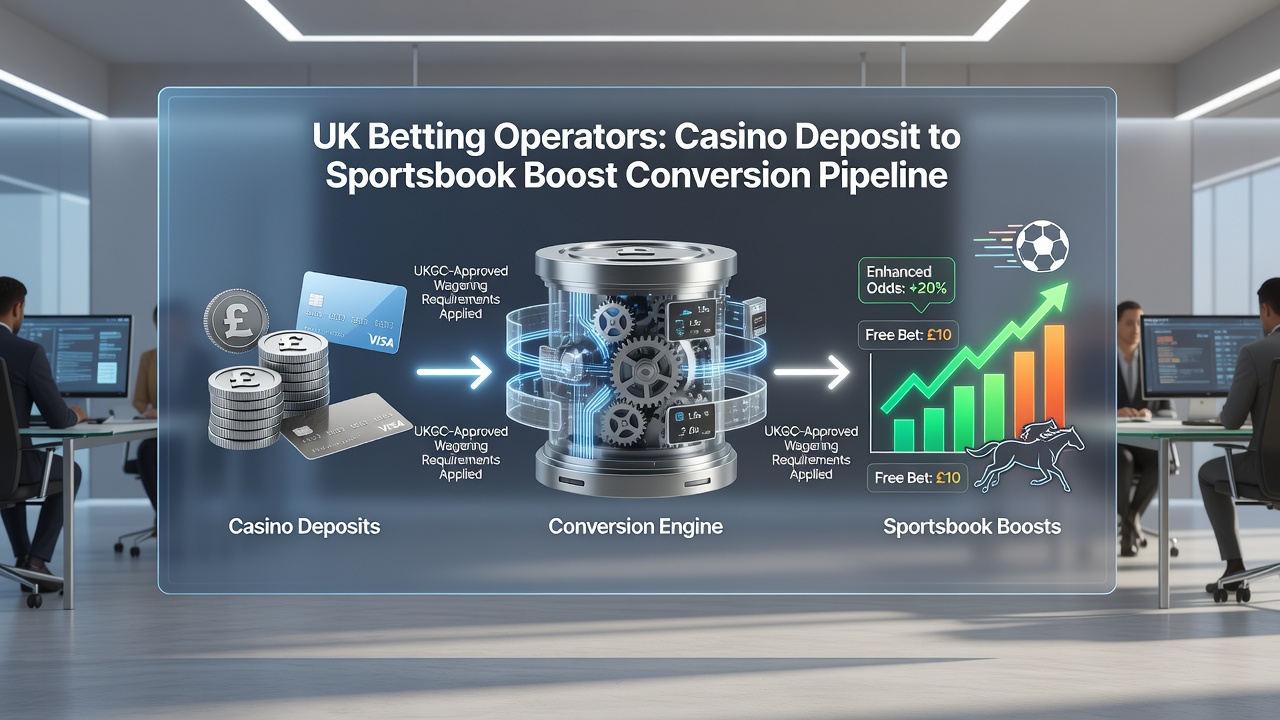
UK betting operators run integrated account systems where deposits placed in casino sections feed directly into loyalty tracking mechanisms that later unlock sportsbook enhancements, and this pipeline relies on real-time data sharing between game servers and bonus engines to calculate eligibility without separate player action. Deposits hit casino wallets first, gameplay generates tracked turnover that meets internal thresholds, then operators allocate equivalent value toward sports products such as accumulator boosts or enhanced odds selections. Systems log every spin or hand in central databases, apply conversion ratios set by each operator's risk model, and push the resulting credit into the sportsbook balance once conditions clear, which typically happens within minutes of threshold completion.
Backend Tracking and Threshold Mechanics
Operators deploy unified player accounts that treat casino and sportsbook activity as connected streams, so a single deposit triggers cross-product counters that monitor total staked amounts rather than isolated game types. Software flags qualifying turnover once it reaches preset multiples, often 10x or 20x the deposit value depending on the promotion tier, then automatically issues the boost credit to the sports section without requiring manual claims. Data flows through APIs linking slot servers to odds engines, ensuring the same wallet balance reflects both casino play and the new sports offer in one view, while audit logs record every step for compliance records.
Players notice the shift when casino balances convert into visible sports credits after sessions end, yet the underlying process stays hidden behind automated rules that adjust in real time based on volume and game category. Slots contribute at full rate in most setups, whereas table games may apply reduced multipliers, and operators publish these weighting tables in terms and conditions so users understand how different titles accelerate or slow the path to boosts. In October 2026 several platforms updated their weighting schedules to include live dealer tables at higher conversion rates, reflecting increased traffic in that category during evening hours across European time zones.
Player Journey and Visible Steps
Users deposit via standard payment methods into the casino wallet, select games that carry full weighting, and continue until the progress bar or loyalty meter hits the required level displayed in the account dashboard. Once complete, the system sends a notification that the sportsbook boost has activated, often appearing as an enhanced odds token or free bet stake that applies only to selected markets such as football accumulators or tennis futures. Observers note that many operators allow players to toggle between casino and sports views within the same app, making the transition seamless while the backend handles the actual credit movement through encrypted ledgers.
Conversion ratios vary by operator size and market focus, with larger firms offering more generous multipliers on high-volume slots to attract repeat casino play that funds broader sports promotions. Smaller operators may cap daily conversion amounts to manage liability, releasing boosts in staged tranches over several days rather than instantly. Research from the European Gaming and Betting Association shows integrated cross-product systems now handle over 60 percent of bonus allocations in major markets, reducing separate marketing spend while increasing overall session length across both verticals.
Regulatory and Technical Safeguards
Operators maintain separate ledgers for casino and sports funds even while sharing the same user profile, which prevents commingling yet permits conversion events that move value from one ledger to the other under strict audit trails. External testing firms verify the fairness of conversion algorithms quarterly, confirming that published weighting tables match actual code execution and that no hidden adjustments favor particular game providers. A study published by the University of Sydney's Gambling Research Unit examined similar cross-product mechanics in regulated markets and found transparent threshold displays correlate with higher player retention rates when users understand exactly how casino activity translates into sports offers.
Seasonal adjustments appear in October 2026 around major sporting calendars, where operators temporarily increase conversion speed from casino deposits to football-related boosts to capture heightened interest during international breaks. These changes roll out through server-side updates that apply only to new deposits made after the announcement date, leaving existing balances under prior rules until cleared. Players access updated progress meters in real time, watching casino turnover tick upward and the projected sports boost amount adjust accordingly before any credit lands in their account.
Conclusion
The mechanics rest on unified databases and automated thresholds that turn casino deposits into sportsbook credits through predictable, rule-based pipelines operators refine each quarter. External reports confirm these systems now represent standard industry practice across multiple jurisdictions, with technical safeguards ensuring the movement of value stays traceable and compliant at every stage.